Professional Tire Work: Get Back Driving Safely and Quickly
Professional tire services hold an important position in maintaining vehicle wellbeing and performance. Qualified technicians execute meticulous inspections to identify multiple tire challenges. From leaks to alignment concerns, all matters demand careful review. Recognizing when to reach out professional help can prevent subsequent complications. As drivers face these challenges, they could reflect on the finest restoration solutions and maintenance approaches. Researching these subjects can produce informed choices and safer adventures to come.
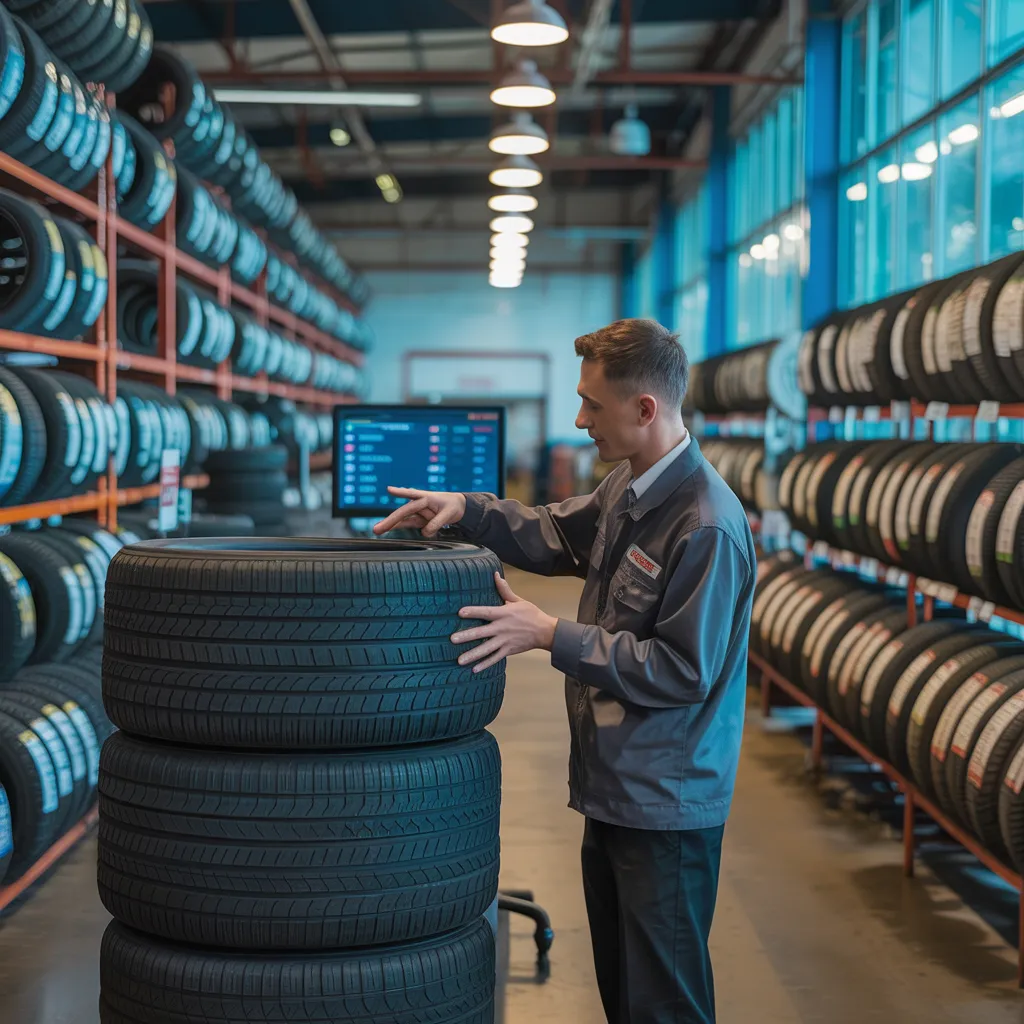
Frequent Tire Challenges to Be Aware Of
When drivers ignore their tires, they may encounter several common issues that can undermine safety and performance. One common problem is underinflation, which can cause increased tire wear and reduced fuel efficiency. Over time, this can result in the tires to overheat, raising the risk of a blowout. Another common problem is tread wear, which influences traction and handling, particularly in wet conditions. Uneven wear may indicate alignment or suspension issues, requiring further inspection. Additionally, drivers may experience punctures or sidewall damage from road hazards, leading to slow leaks or complete tire failure. Consistent tire rotations, regular inspections, and appropriate inflation are essential for preventing these issues. Finally, weather-related factors can also add to tire degradation, making it essential for drivers to pay close attention to their tire health. By recognizing these common problems, drivers can improve their safety on the road.
How to Identify When to Get Tire Repairs?
Understanding the red flags that tire repairs are essential is important for ensuring vehicle protection and performance. Drivers must remain alert to specific cues that point to tire problems. Irregular wear patterns on the surface area, as an example, may point out alignment issues or inadequate tire pressure. Furthermore, visible damage, including cuts, protrusions, or leaks, frequently calls for immediate attention. An unexpected reduction in air pressure or frequent demand for pressurization also suggests that repairs may be called for.
Car operators should stay aware of handling and performance changes, such as shakes or pulling to one side, which could signal tire imbalances or internal damage. Finally, consistently checking the depth of the tire tread is necessary; tires with worn or bald spots limit traction. By watching for these signs, drivers can secure timely repairs, improving both safety and vehicle longevity. Addressing these problems promptly not only avoids potential accidents but also cuts down on more extensive repair costs in the future.
A Overview to Learning About the Tire Repair Process
The tire repair process generally entails several important stages to guarantee safety and performance. At first, a technician inspects the tire for visible damage and assesses its entire condition. This examination assists in determining whether the tire can be repaired or must be replaced. After the inspection, the technician might remove the tire from the wheel to identify punctures or hidden damage.
Once any issues are located, the technician sanitizes the affected section and readies it for restoration. This may involve applying a seal or insert, based on the type and location of the harm. After the fix is completed, the tyre is remounted and properly filled to the manufacturer's specifications.
Finally, a quality check validates that the work meets safety guidelines. Throughout the workflow, service professionals prioritize communication, updating the customer of observations and recommendations. This organized system assures a reliable repair, allowing drivers to go back to the road with peace of mind.
Self-Service Tire Solutions in Comparison to Professional Help
Upon grasping the tire repair procedure, many drivers may consider whether to handle repairs on their own or seek professional support. DIY tire repairs can be appealing, especially for those with elementary mechanical skills and equipment. Basic punctures can often be mended using repair kits available at auto retail stores, reducing both hours and money. However, this method involves dangers if correct procedures are not employed, potentially causing additional damage or security hazards.
However, expert tire repair providers offer expertise and advanced tools. Trained technicians can accurately evaluate tire issues, confirming repairs prove effective and sound. They can also detect underlying problems that a do-it-yourself method might neglect. Ultimately, the decision regarding professional assistance versus DIY repairs depends upon the driver's confidence, skill level, and how severe the tire damage is. Reaching an educated decision is vital for guaranteeing road safety.
Tips for Locating the Perfect Tire Repair Service
What can motorists do to confirm they choose the best tire repair option? First, they should survey local options, focusing on customer reviews and marks. This information supplies insight into the service quality and reliability of various shops. Next, checking for certifications and affiliations with prominent automotive organizations can show professionalism and specialization.
Furthermore, drivers should ask about the range of repair options available, confirming the shop can tackle their unique tire concerns. Clear pricing structures is also vital; reliable establishments present straightforward quotes without surprise fees.
Additionally, assessing the shop's protection plans on repairs can offer assurance. Finally, practicality is important—location relative to home or work, as well as available hours, can impact the decision. By examining these points, drivers can confidently opt for a tire repair service that fulfills their expectations with success.
Perks of Ongoing Tire Service
Regular tire maintenance provides numerous benefits that prolong the lifespan and performance of tires. By routinely checking tire pressure, tread depth, and overall condition, vehicle owners can guarantee optimal grip and handling. Proper inflation reduces wear, enhancing fuel efficiency and visit resource reducing costs at the pump. In addition, regular inspections can help identify issues such as uneven wear or damage, allowing for timely repairs that prevent greater issues down the road.
Taking care of tires additionally improves safety by reducing the likelihood of tire blowouts or accidents caused by insufficient tread. Additionally, a properly kept set of tires adds to a smoother ride, boosting comfort for the driver and passengers. When individuals devote time to regular tire care, they can increase the value of their investment, ensuring reliable performance and peace of mind during driving. To sum up, regular tire maintenance is a key factor in responsible vehicle ownership.
Advice on Preventing Future Tire Problems
Caring for tires actively can markedly lessen the odds of future troubles. Often assessing tire pressure is vital; low tire pressure can bring about untimely wear and compromised fuel efficiency. It is advisable to inspect tires for observable damage, such as cuts or bulges, which may indicate structural concerns. Repositioning tires every 5,000 to 8,000 miles helps confirm balanced wear, extending their lifespan.
Furthermore, keeping proper alignment and balance is essential to prevent uneven tread wear. Drivers should also monitor tread depth, utilizing the penny test as a straightforward method; if Lincoln's head is visible, it's time for a new tire. Finally, preventing vehicle overload can minimize excessive strain on tires. By using these strategies, vehicle owners can improve tire lifespan and foster a safer driving experience.

Typical Questions Encountered
What duration is needed for a regular tire restoration?
A typical tire service usually requires 30 minutes up to an hour determined by the extent of damage and the particular repair needed. Variables like technician availability and shop workload can also influence the timeframe.
Do All Wheel Styles Allow Repair?
All tire types cannot necessarily be restored. As a rule, punctures in the tread of passenger tires could potentially be fixed, but sidewall damage, severe wear, or tires with multiple repairs frequently call for new tire installation to guarantee safety.
What Sum Should You Anticipate to Spend for Tire Fixes?
The price of tire maintenance typically ranges from $10 to $30, depending on the wear and area. Elements such as tire type and repair shop may influence the final price, making it subject to change.
Does Your Insurance Include Tire Fixes?
Coverage for tire repairs depends on your insurance policy. Many policies offer roadside assistance and repair costs, though certain policies may exclude such benefits. It's essential for people to review their particular policy details to determine what coverage applies to tire repairs.
How Can I Extend the Life Span of My Tire?
To increase a tire's operational life, regular maintenance is indispensable. This incorporates maintaining proper tire pressure, executing regular rotations, verifying wheel alignment, avoiding overloading, and tracking tread condition for signs of wear or damage.